Tulsi (Holy Basil) Plant
Sacred Tulsi for the North, East or North-East of your home - considered the queen of herbs.
Details
| Type | Vastu plant |
|---|---|
| Light | Plenty of sunlight |
| Best direction | North, East or North-East |
About
Tulsi, also known as Holy Basil, is native to India and is revered as a goddess in Hindu homes. Having a Tulsi plant at home is believed to be like having the divine residing in the house, and it is one of the most recommended plants in Vastu. Rama Tulsi is a perennial plant that grows well in different regions depending on the variety.
Vastu tips
- According to Vastu, Tulsi should be placed in the North, East or North-East direction.
- It is believed to spread positive energy - every home should have at least one Tulsi plant.
- Traditionally kept in the verandah, open hall or courtyard, or indoors near a sunny window.
- Its leaves have long been used as a natural insect and mosquito repellent.
Placement & care
Tulsi needs plenty of sunlight, so a terrace garden, courtyard or sun-facing balcony or window is ideal. Water regularly and offer daily prayers for the best results as per tradition.
All Rudraksha are energised as per traditional Hindu rituals — a Pran Pratishtha puja is performed before they are sent to you.
Rudraksha are spiritual and traditional items. Their significance is based on scriptures and tradition; they are not a substitute for medical treatment or professional advice. Please consult Dr. Gajanan Sangle to choose the right Rudraksha for your kundli.
Related
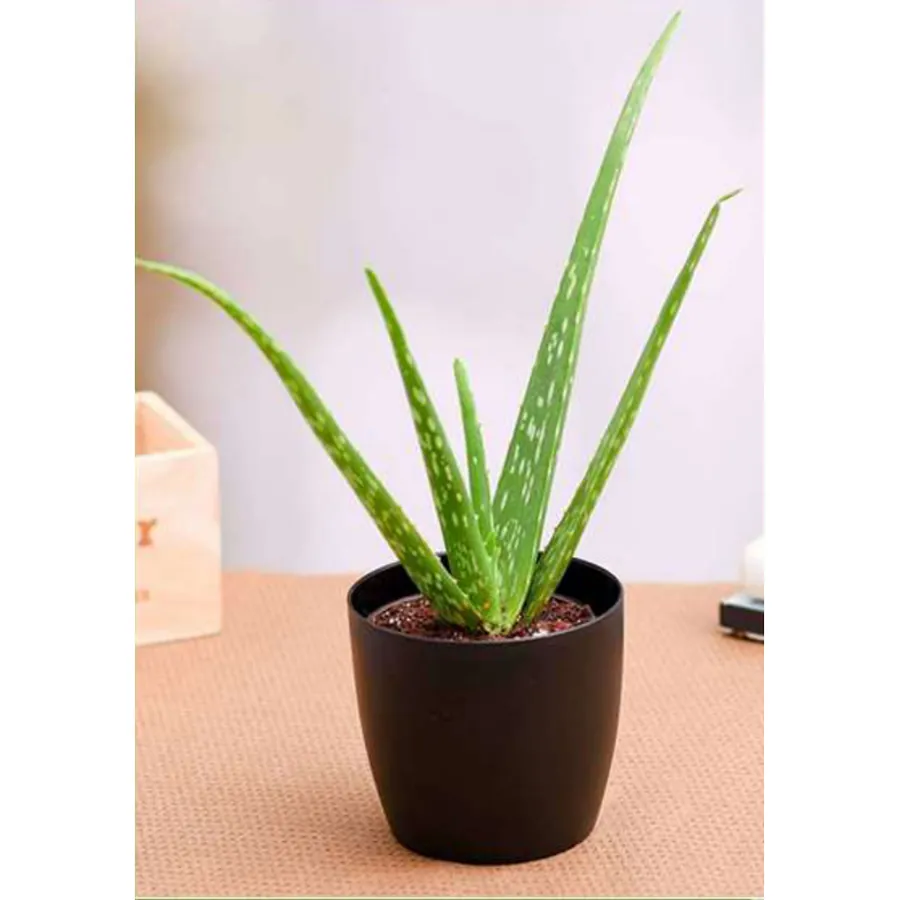
vastu plants
Aloe Vera PlantLow-maintenance succulent that invites good luck and positive energy - North or East direction.
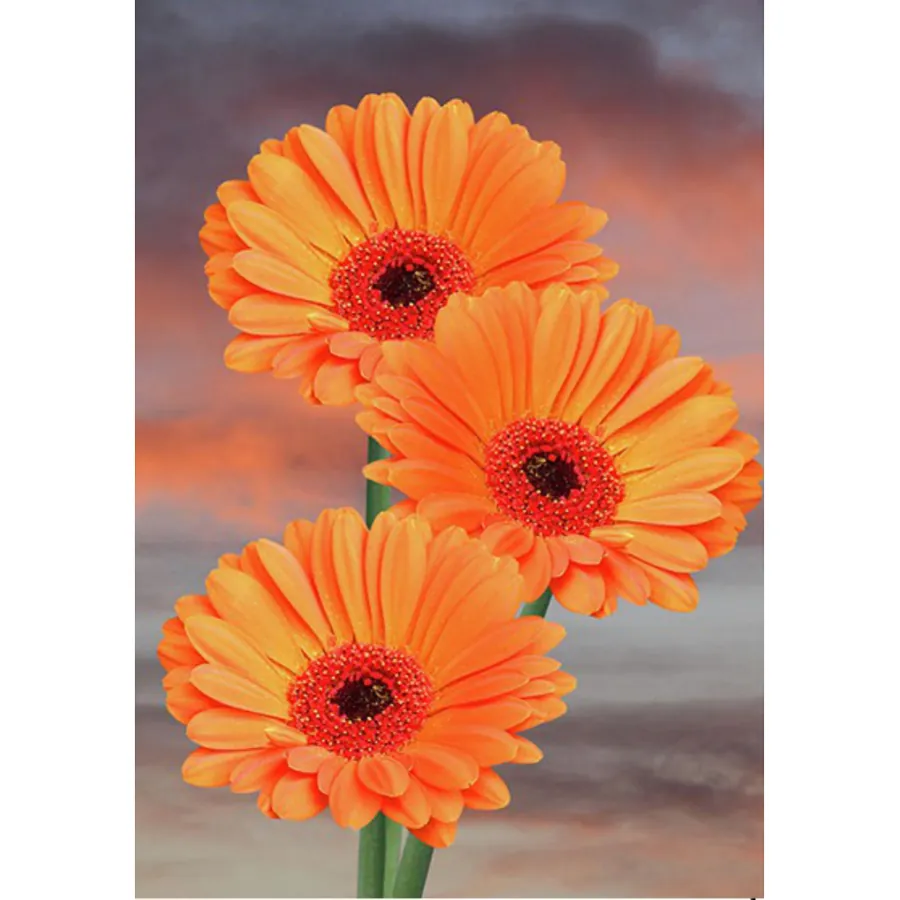
vastu plants
Gerbera PlantBright, cheerful flowers that symbolise innocence, purity and cheerfulness.
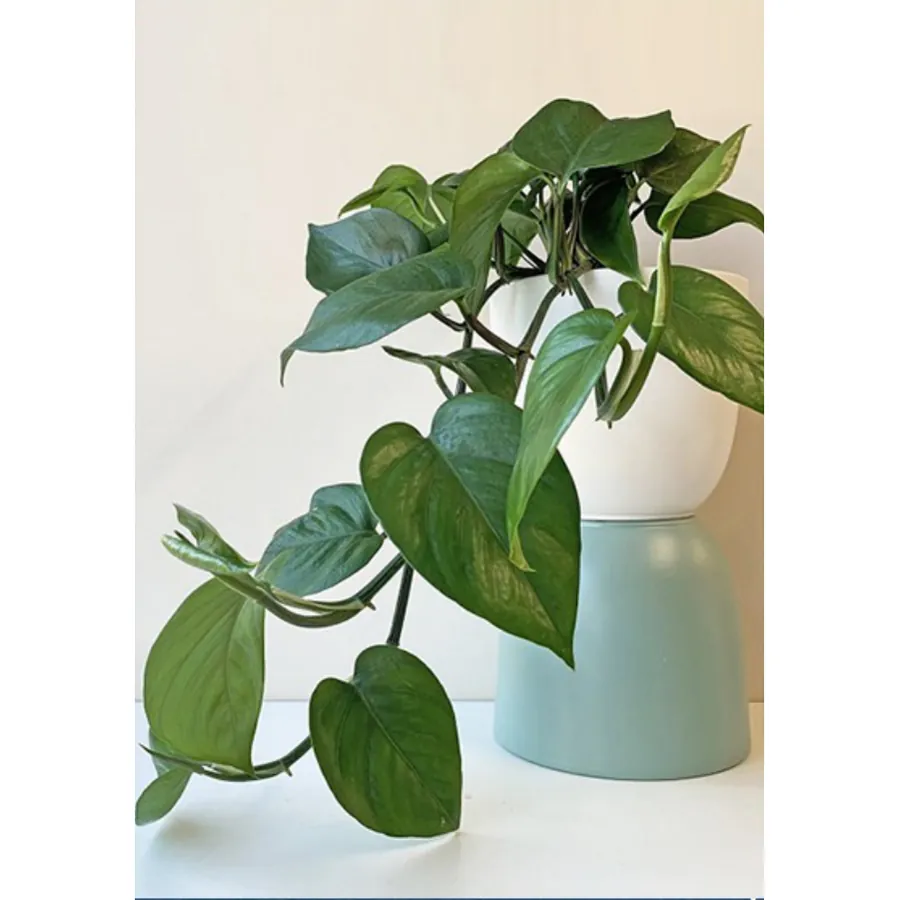
vastu plants
Money PlantThe most popular fortune-bringing plant - best kept in the South-East of the living room.
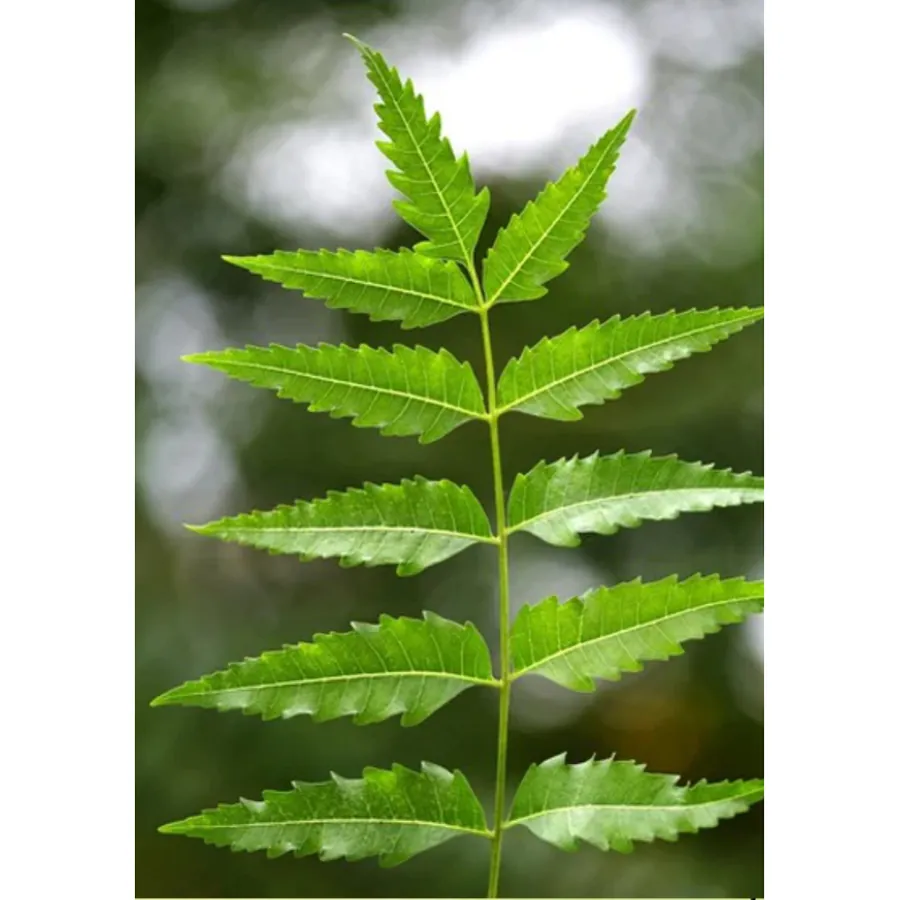
vastu plants
Neem PlantIndia's traditional Neem - a natural pesticide, can be grown at home as a bonsai.